Climate change mitigation transition plan 

The Śnieżka Group is aware of the importance of issues related to climate change. As part of the Sustainable Development Strategy, it has committed to managing and reducing GHG emissions, increasing energy efficiency and using green energy on a larger scale.

[E1-1]

The goals adopted and actions implemented are in line with the assumptions of the climate change mitigation transition plan. FFiL Śnieżka SA and Śnieżka ToC have committed to reducing their Scope 1 and 2 GHG emissions by 50% by 2025. Scope 3 targets have not been set yet, but their determination in the medium to long term is planned for the coming years.

As of the date of publication of this report, the Group does not yet have a fully developed transition plan. Nevertheless, the Group is committed to preparing such a plan and setting targets consistent with limiting global warming to 1.5°C, which will be consistent with the requirements of the Paris Agreement, by the end of 2026. The plan is to include a detailed analysis of the Group’s current environmental impact, set specific emission reduction targets and define a path of action to achieve climate neutrality.

Decarbonisation levers and key actions

The current Śnieżka Sustainable Development Strategy was developed prior to the adoption of the ESRS standards and does not fully comply with their requirements. Therefore, the information presented in the report reflects the general directions of the company’s activities and initiatives, which will require further updating and clarification in order to fully comply with the applicable ESRS standards.

As part of the Climate Policy and Sustainable Development Strategy, Śnieżka has committed to increasing energy efficiency. In the first step, Śnieżka installed a utility metering system (electricity, gas, water, heat) as part of the building management system (BMS). In 2023/2024, this system was installed and launched in buildings belonging to Śnieżka SA (Brzeźnica, Lubzina, Pustków, Zawada). Thanks to it, it is possible to continuously monitor and manage energy consumption and detect reductions in energy efficiency. Detailed analysis of the system data will allow for setting priorities when preparing a decarbonisation plan.

In 2024, the gas boiler in the plaster production facility in Pustków was replaced with a new one, featuring a higher efficiency class. Lighting was also replaced with LEDs in some of the buildings of the Production Department in Brzeźnica, the raw materials warehouse in Pustków and in the buildings of the Poli-Farbe company in Hungary. The LED technology features exceptional energy efficiency, consuming up to 80-90% less electricity than traditional light bulbs. Owing to this, the lighting modernization will contribute to a significant reduction in electricity consumption in the above-mentioned locations. Actions to increase energy efficiency also include the optimization of production processes, such as shortening the dispersion process (grinding of raw materials).

In order to identify further opportunities to improve energy efficiency, energy audits are planned to be carried out at individual plants in 2025. These audits will assess current energy consumption and identify areas of potential savings, which will result in taking further steps to increase energy efficiency. It should be noted, however, that the actions taken and planned do not include solutions based on natural resources.


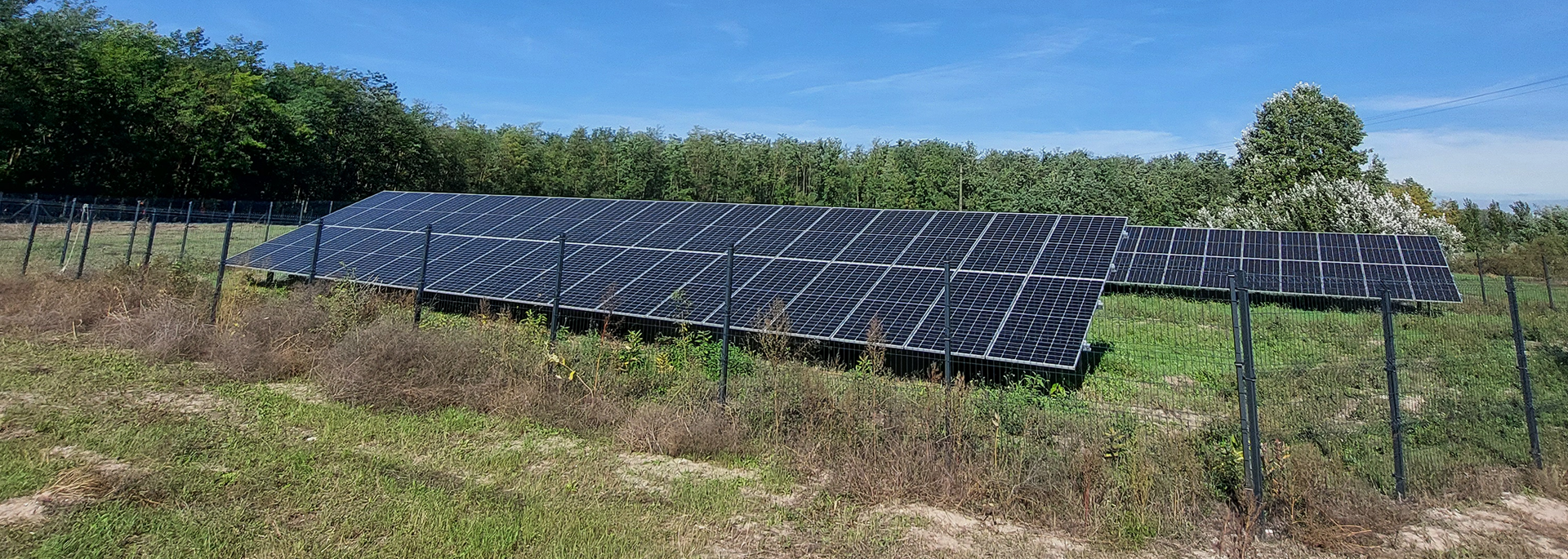
100% – this is the reduction in Scope 2 emissions for Śnieżka SA, Śnieżka ToC and Rafil thanks to the purchase of guarantees of origin. Further reductions in greenhouse gas emissions at the Śnieżka-Ukraina and Poli-Farbe plants will be achieved thanks to PV systems installed in the reporting year. The assumptions regarding these investments will be verifiable in 2025, after a full year of use. The Group intends to commence the implementation of further renewable energy systems in the short term and complete them in the medium term, but its decisions are contingent on the availability of sources and financing conditions, which may affect the final shape of the investment as well as the assumed time horizons. The Group did not perform calculations to estimate expected GHG reductions.

The Śnieżka Group conducted a double materiality assessment for Scope 3 greenhouse gas emissions in accordance with the criteria described in the ESRS standards. On this basis, changes were made within the categories included in the aforementioned Scope and the previously recalculated categories were refined. In 2024, the Group worked with suppliers to obtain specific emission factors for raw materials. The acquisition of more accurate data has allowed for more precise estimates of Scope 3 emissions. These activities will be continued in the following years to systematically improve the calculation methodology.

Due to significant changes that have been introduced to the methodology for calculating Scope 3 emissions, 2024 was designated as the base year.

As a result of the analyses carried out, no blocked greenhouse gas emissions were identified1.

1 Estimates of future greenhouse gas emissions that are expected to be caused by an undertaking’s key assets or products sold during their useful lives.

The Śnieżka Group did not incur any significant expenditures in 2024 to implement the action plan, which included, i.e. the cost of launching the metering system, replacing the lighting and the gas boiler, and the cost of replacing the lighting with LEDs. It should be noted, however, that the actions taken did not include solutions based on natural resources.

Since no transition plan has been adopted or approved within the Group, it is not possible to indicate specific expenditures for its implementation or to provide other information in this respect. The Group also does not have any developed objectives or plans to accommodate its business activities (revenues, CapEx, OpEx) to the criteria set out in Commission Delegated Regulation 2021/2139.

The Company is currently focusing its climate activities on operational optimisation and is not planning any significant capital expenditure (CapEx) directly related to the implementation of the climate action plan. Consequently, the financing of the plan is based on current operating funds and the planned budget for subsequent periods. If there is a need to implement CapEx investments related to climate objectives, the Company will analyse the possibilities of their financing, taking into account available financial instruments and subsidies.

The undertaking did not record any capital expenditure on business activities related to coal, oil or gas. It is also not excluded from the EU benchmarks aligned with the Paris Agreement.